




The Economic Impact of a Universally Accessible Nature Space
These dads have been gathering as a group for years to provide emotional support, advice, share resources and stories. They meet over beers at a local brewery, coming from many professional and socio-economic backgrounds. We engaged with this group to hear their stories and their needs. We asked about what makes an outdoor experience successful for their families, and what they most need when they are in a park space.
There were so many common suggestions — accessible pathways, adequate and close parking, universally designed restrooms with changing tables that can accommodate adult-sized individuals, water, electrical outlets to plug in mobility devices, shade… But the one comment that really stood out to us was how far these families are willing to drive to reach a space their entire family can enjoy together. One dad stated they often drove 3-4 hours, even to neighboring states, to find a space that could accommodate their family’s needs.
With East Side Park, there is a unique opportunity to meet the needs of families like these and to draw visitors to Birmingham.
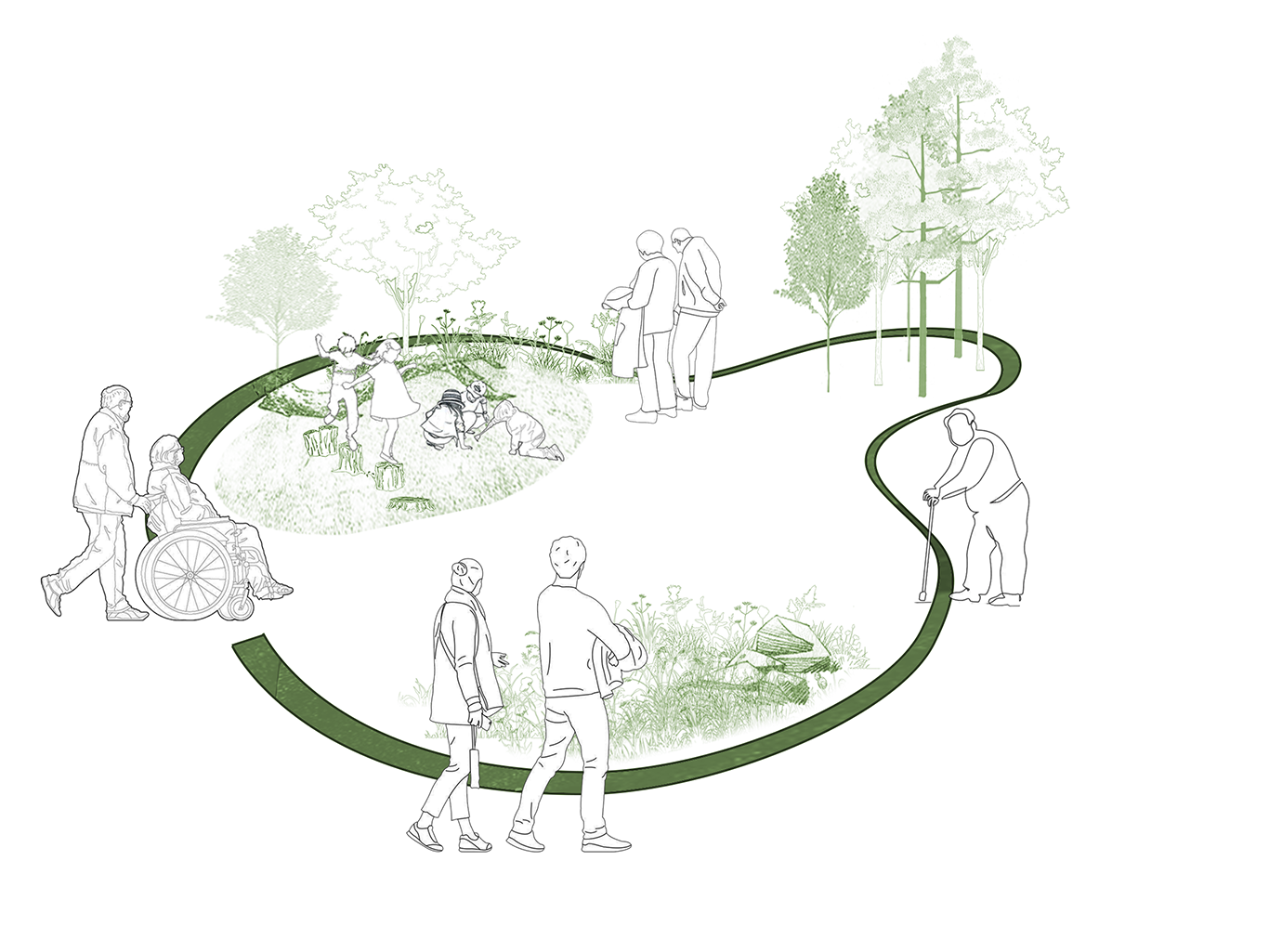
A 2025 Systematic Literature Review on Inclusive Public Open Spaces found that integrating universal design from the early stages of planning, design, and management is critical in creating spaces that people across a wide range of abilities — including people with disabilities, older adults, caregivers, and others — can use and navigate. The research emphasizes that accessibility goes beyond physical access alone and incorporates thoughtful attention to movement, sensory experience, resting areas, and design decisions that shape how people engage with the environment. The review also highlights the importance of user-informed design approaches, noting that spaces shaped by people with lived experience of disability are more likely to reflect real-world needs and support meaningful use.
When these principles are applied consistently, parks function as reliable community assets rather than underutilized amenities - positioning them to attract broader use. This is significant given that people with disabilities and their families routinely travel farther to reach destinations they know will accommodate their needs.
Universally accessible nature spaces generate meaningful economic impact. The Open Doors Organization released findings from its 2024 research study conducted with The Harris Poll, showing U.S. travelers with disabilities spend nearly $50 billion annually on travel. When including companions, the estimate is over $100 billion. And over 25.6 million travelers with disabilities took 77 million trips from 2022-2024. These figures underscore that accessible destinations are not only used, but actively sought out—even when travel is required.
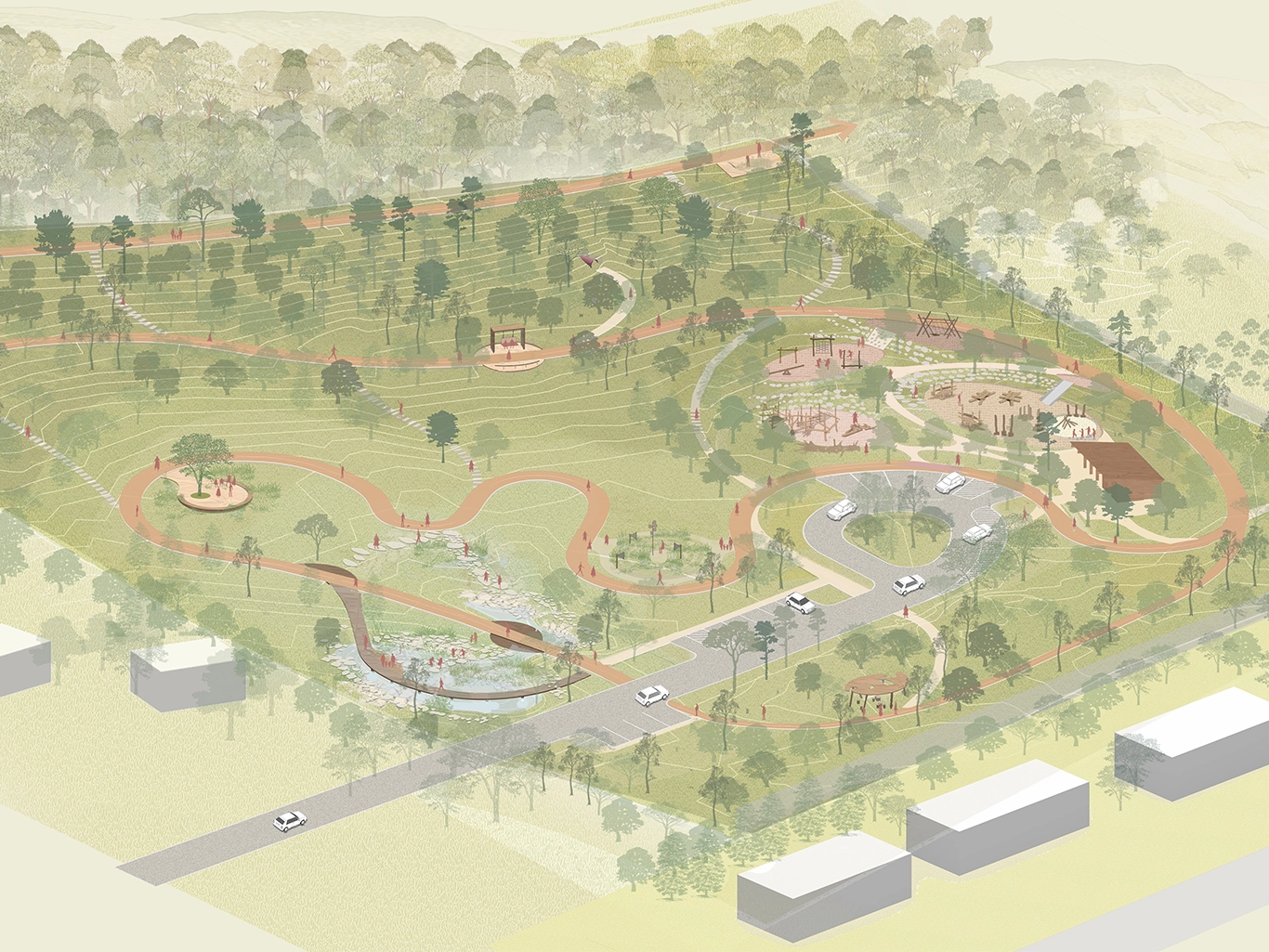
Jefferson County Greenways is excited to build and steward East Side Park as a regional asset that provides a first-of-its-kind experience for Alabama. The masterplan for East Side Park has garnered the Award of Excellence from the American Society of Landscape Architects Central States.
Located along the I-59/Hwy-11 corridor, East Side Park is easily accessible to out-of-town visitors. And it will stand out as a beacon for families that include members with and without disabilities, because the design integrates ADA trails, accessible parking, universally designed restrooms, and signage throughout the park—rather than leaving these elements isolated.
This park will serve as a vital addition to Birmingham’s rehabilitative infrastructure, bringing patients to such nationally recognized institutions as Lakeshore Foundation, UAB, Andrews Sports Medicine, and Kulture City’s Sensory Inclusive Hub at Powell Steam Plant. Because of East Side Park, these visitors will be able to find a reprieve from clinical therapy settings, experiencing a much-needed respite in an outdoor setting that embraces Alabama’s native landscape.
By creating a universally accessible nature space, Birmingham can attract families and individuals who actively seek destinations that meet their needs, keep visitor spending local, and provide an outdoor experience that benefits the entire community.