




How to Help Wildlife Survive the Winter
We are often asked: “How can I help wildlife survive the winter?”. While it may seem exceptionally bleak, our native wildlife are very well suited to take on these challenges. Still, thoughtful land management practices — used in our greenspaces and easily applied at home — can make a meaningful difference during the winter months.
Why Winter Wildlife Habitat Matters in Urban Areas
Changes to our landscape over time have resulted in fewer and fewer natural spaces for wildlife, especially in the urban environment. Fewer undisturbed spaces mean fewer places for wildlife to find shelter, food, and protection from harsh winter conditions.
By prioritizing conservation in the management of our greenspaces, we provide a nature focused experience for our visitors while also supporting wildlife throughout the seasons. Whether in public greenspaces or our own backyards, intentional stewardship helps ensure that people and wildlife can thrive together.
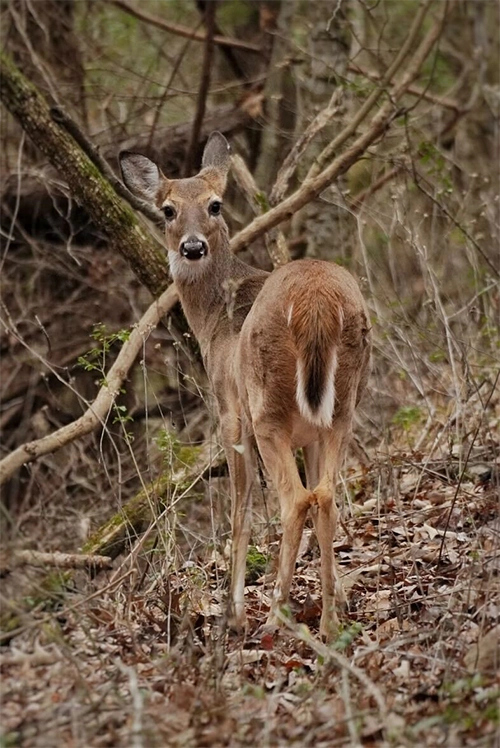
Photo credit: Van Coffey
How We Help Wildlife Survive the Winter
1. Provide Shelter for Wildlife
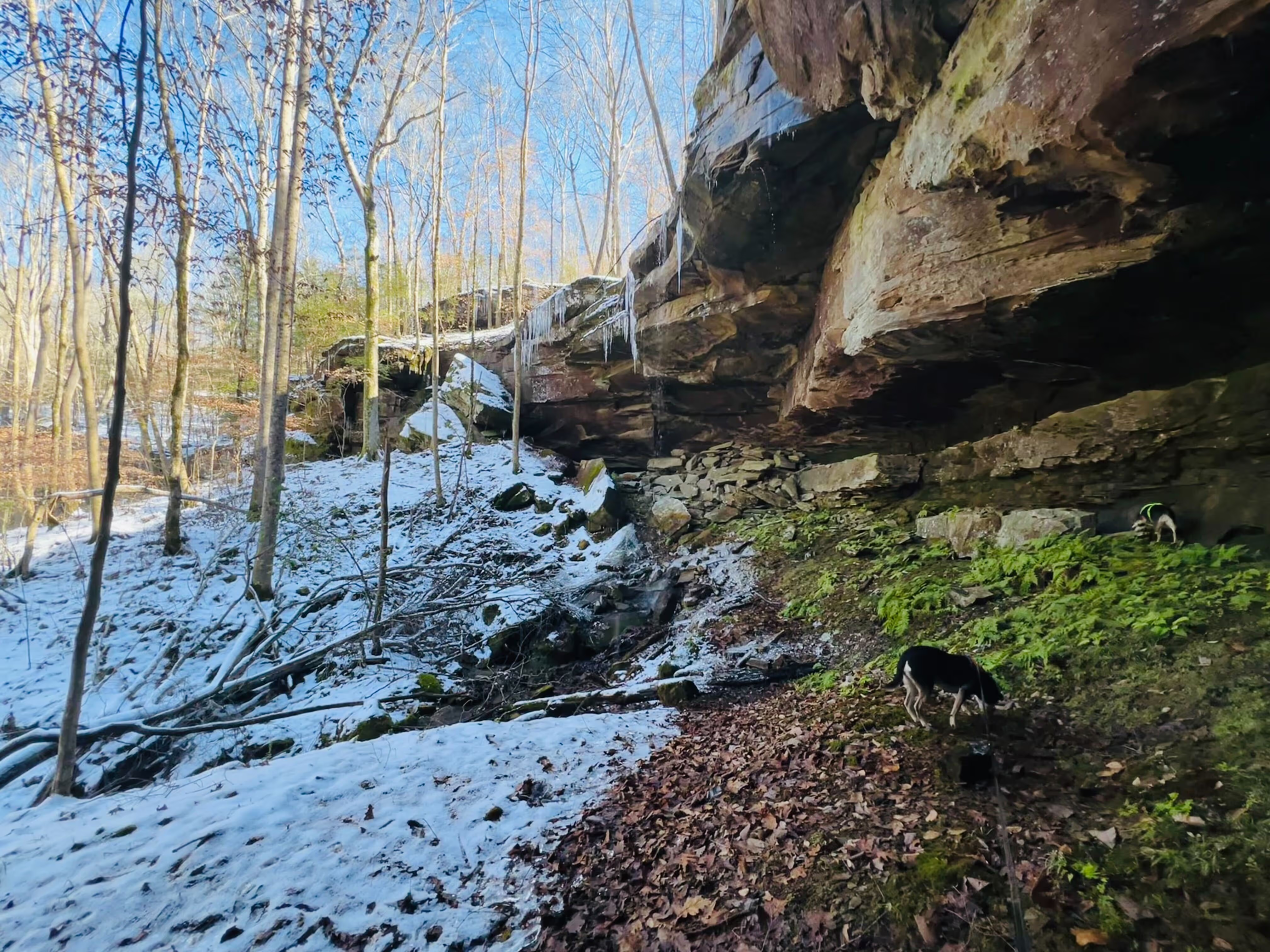
During the coldest months, shelter is critical. Birds need safe places to fluff their feathers, deer need safe bedding areas, and even snakes rely on places to burrow and hide.
Leave the Leaves
Fallen leaves are a vital part of a healthy ecosystem. Leaf litter provides habitat for insects that is critical for survival of wildlife, not only in winter, but throughout the year. As leaves decompose, they enrich the soil, providing nutrients for emerging plants in the spring.
When we remove leaves from our yards, we also remove all of the critters that inhabit them, creating a ripple effect all the way through the food chain that impacts all forms of life. Often removed with the leaves are acorns and seeds that deer, squirrels, and other wildlife rely on.
Learn more in our earlier blog post: Eco-Friendly Fall Yard Care: Leave the Leaves
Don’t Snag the Snags
Standing dead trees (that don’t pose safety risks), fallen logs, and brush piles provide essential shelter and food for many species. Birds and small mammals use them for burrows or places to find insects. By leaving dead trees where they stand (or fall) they fill an important role in healthy ecosystems. This is just another example of how nature often turns a loss or disturbance into a chance for renewal.
2. Ensure Winter Food Sources
In a bleak wintery landscape, with little to no fresh growth, food can be one of the most important resources to ensure wildlife can survive the winter. In fact, many wintering species need even more calories in the winter to keep their metabolism going to stay warm. Luckily, many sources of food exist for wildlife, even in the winter, especially if we are considerate in how we care for our landscape.
Go Native
Native plants provide some of the most important winter food sources for wildlife. Many species produce seeds and fruits and are most productive before going dormant. Native species are especially important because they tend to be more aligned with our seasons, and our native wildlife are better equipped to use them as food sources.
By choosing to plant (and support) a rich diversity of native plant species in our greenspaces, we ensure that a wide variety of food sources are available for wildlife. Some non-native species can even be harmful to wildlife. For example, non-native nandina (Nandina domestica) , produces red berries that some birds love to eat, but are slowly poisoned by.
For more information on native plants, join us at our bi-annual Native Plant Sale at Ruffner Mountain, every Saturday in April and October. where our team can help you find the right plants for your yard.
Save the Seeds
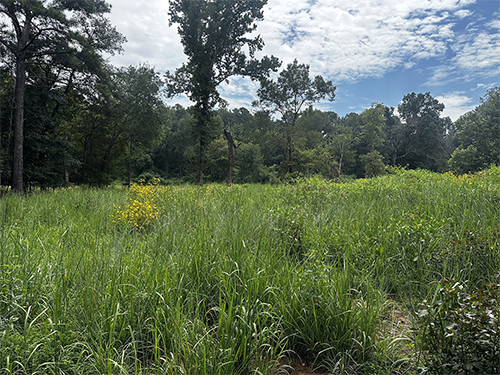
When those lovely native flowers turn to far less attractive dry seedheads, it is very tempting to clear them all out. While they can certainly be messy, they are also a very important source of food for wintering wildlife. We purposely wait to mow or trim those seed heads till late February or March to ensure seeds remain available to birds, deer, and other wildlife. These sources also create a great opportunity for wildlife viewing in places where you might not otherwise get the opportunity. So, think creatively about where you place those seed producing plants, like outside of a window, or (in our case) near a popular trail.
3. Rethink Feeding Wildlife
It’s tempting to help wildlife by leaving out food, but this can often cause more harm than good. When we leave food out for wildlife, we create a lot of complications that can make it harder for some species to survive. Many species are far better adapted, and gain more nutrients, from naturally occurring sources, rather than the foods we have access to. Some of these foods may be tasty for wildlife, but are more like empty junk food, and don’t provide the critical calories needed for wildlife to survive. Food left out can create congregation points, where diseases are often transferred between individuals. It also changes the behavior of wildlife, often resulting in being out in the cold for too long, or risking dangerous encounters with people or traffic.
Helping Winter Birds Safely
For wintering birds, while natural food sources are always the best option, there are some safe ways to assist them through the winter. The National Audubon Society provides helpful guidance on responsible bird feeding practices, which you can read here: Audubon: How to Feed Birds in Winter.
Supporting Wildlife Starts at Home
By leaving the leaves, preserving natural debris, planting native species, and avoiding harmful feeding practices, we can all help wildlife — right in our own backyards.
Thoughtful stewardship benefits wildlife while also supporting healthier, more resilient greenspaces year-round.